

October 2, 2026
GTM engineer stack · four layers, four invoices
What a GTM engineer actually buys: Apollo Org floor, FullEnrich mobile ×10, year-2 inbox cliffs, Smartlead send, and why Clay is glue not the database.
Search “GTM engineer” and you get hiring essays. Skills. Salary bands. Vendor career posts.
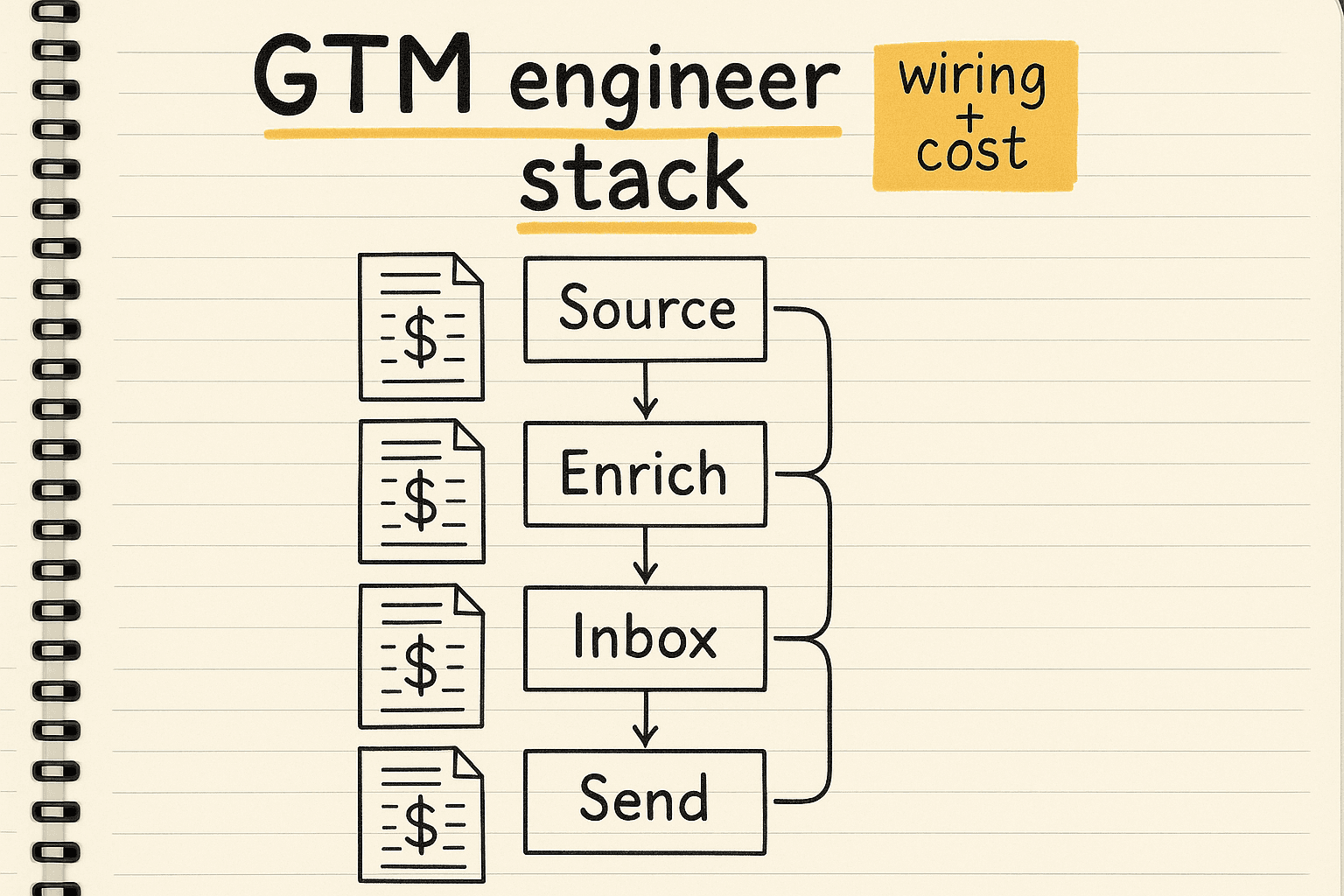
The CMO question is different. Which bills will this hire burn next quarter? A GTM engineer wires four layers. Source. Enrich. Inbox. Send. Each layer invoices differently. This note is the wiring plus the cost that does not show on a single tool’s pricing page.
Four layers · four invoices
Source builds the people table. Enrich fills email and mobile. Inbox is sendable boxes and domains. Send is the sequencer (the tool that fires email steps over days).
Buying only Clay or only Apollo leaves holes. Live path for most teams: Apollo or AI Ark for source · FullEnrich first when mobile is stuck, with BetterContact on the parallel try · Zapmail, Inboxkit, or Premium Inboxes for boxes · Smartlead for send.
Clay can orchestrate steps if someone owns bring-your-own keys. It is glue, not the default database. Instantly and Lemlist stay peer sequencers.
Source · Org floor and when AI Ark is the cheap pass
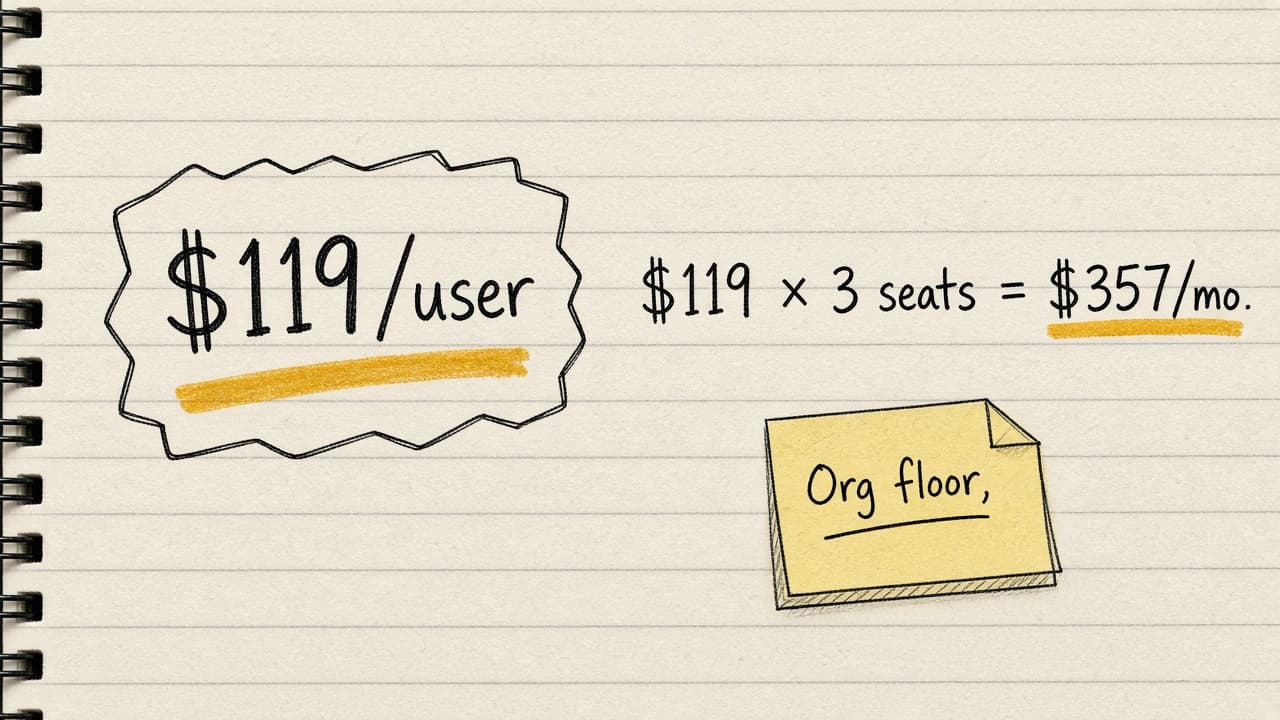
Apollo Organization lists at $119 per user per month on annual billing. The plan needs at least 3 users. Real starting price is $357 per month before credits. Phone unlocks cost 8 credits, and phone waterfalls often land between 8 and 25.
If the stuck job is building the table, not resolving every mobile, AI Ark is often the cheaper first pass for lookalikes. Open Apollo when the team already lives there and needs the full seat.
Enrich · cost per valid · FullEnrich mobile ×10
Track cents per valid find, not enrichment seats.
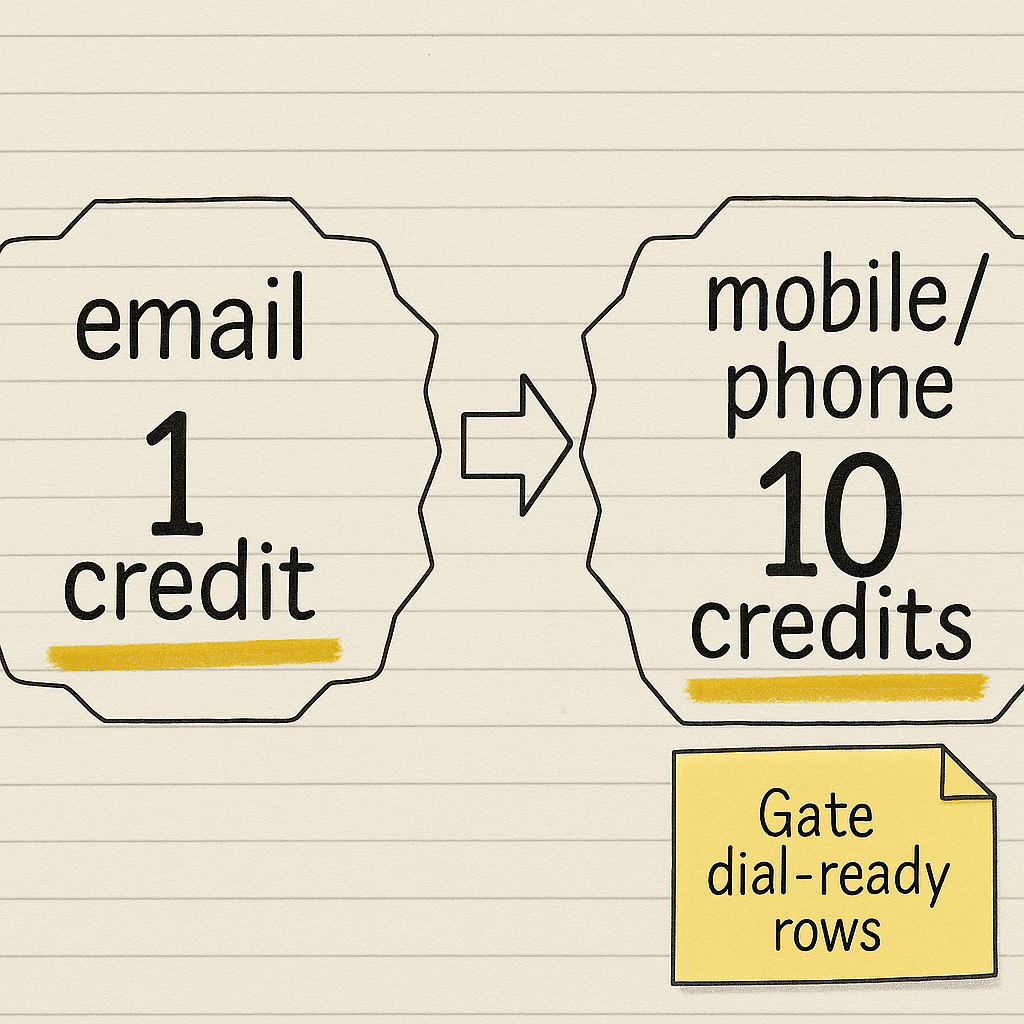
FullEnrich at a 1,000-credit tier prints near $0.055 per credit. Mobile costs 10 credits, so about $0.55 per found mobile on that band. Work email is 1 credit. A miss is 0. Confirm the live rate before you forecast. Gate dial-ready rows before you burn the ×10 path.
BetterContact is a pay-on-valid waterfall path for the parallel try. Put FullEnrich first when phone coverage is the stuck job.
Outbound Kitchen’s Elric Legloire ran about 1,400 US contacts across providers. Find rates moved about 51% after hop one, then higher on hops two and three, with diminishing returns. Most US mobile stacks should stop at two hops. That is one measured sample, not a law.
Inbox · year-1 marketing floor vs year-2 cliff
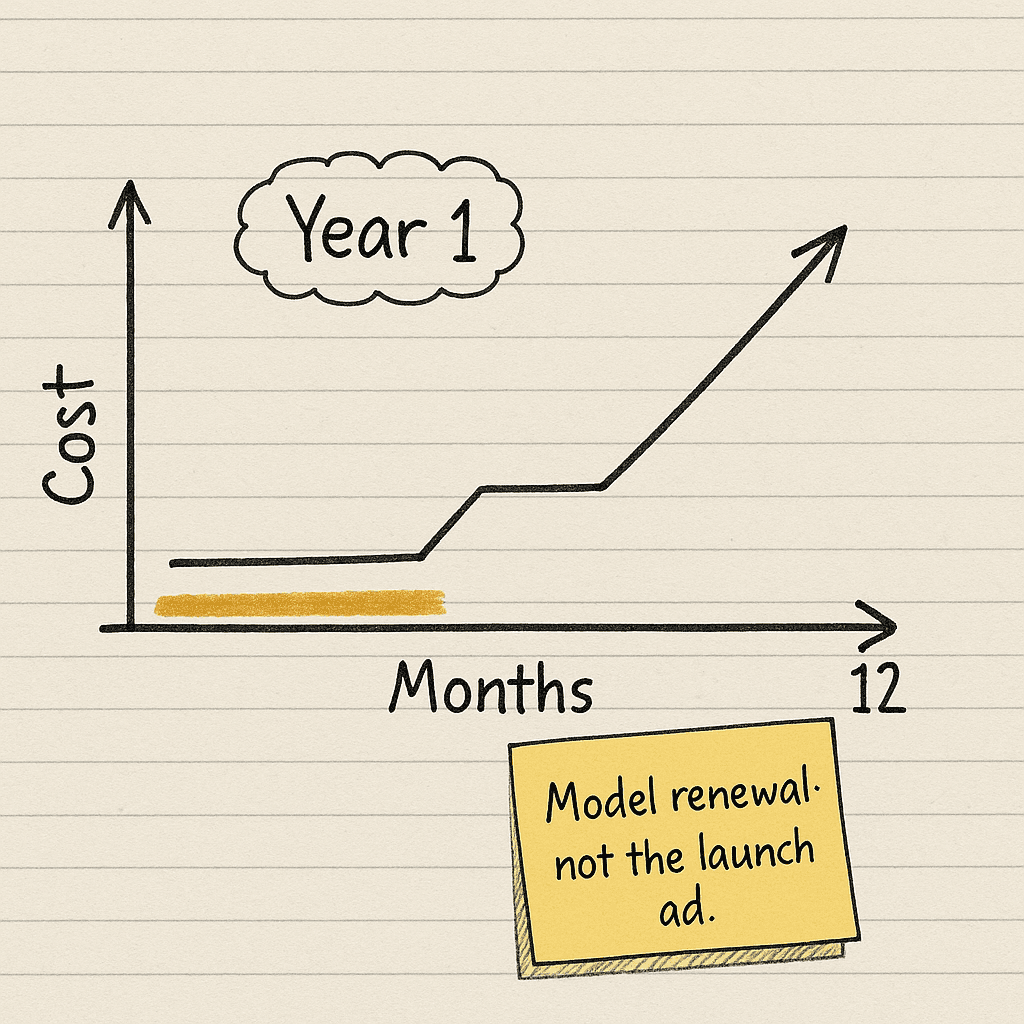
Zapmail markets year-one floors near $2.50 per mailbox on annual. Zapmail help publishes post-twelve-month Google and Microsoft pass-through patterns (Starter class near $59 + $6 per mailbox in prior notes). Confirm live. Inboxkit wallet often lands near $2.50. Premium Inboxes Start Up is about $3.50.
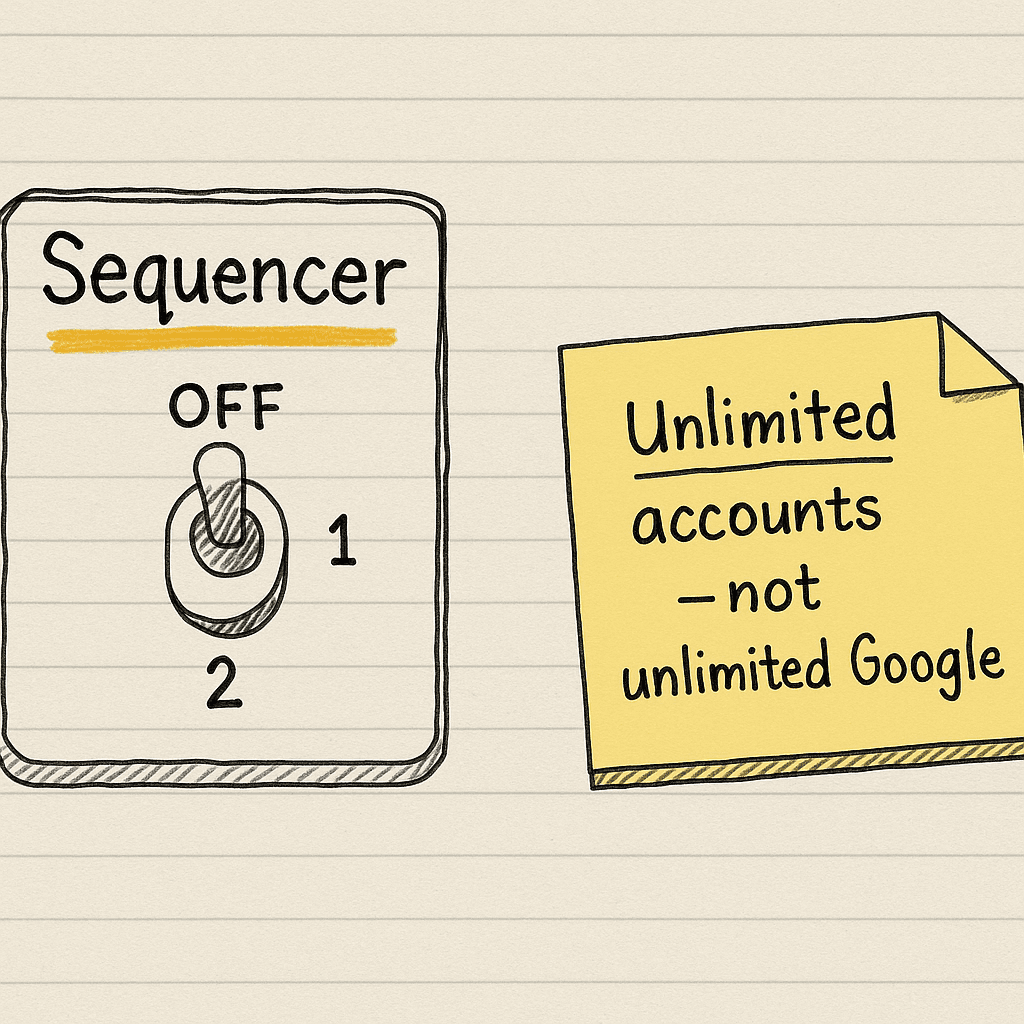
Unlimited sequencer accounts are not free Google boxes. Model renewal, not only the launch ad. Year one optimizes for speed. Year two often needs done-for-you or API control.
Open Zapmail, Inboxkit, or Premium Inboxes by ops model.
Send · Smartlead for agency isolation · Instantly as peer
Smartlead fits multi-client work. White-label is $29 per client workspace from Pro. Fair Use mailbox caps exist on a separate legal page (100 / 300 / 800 family). Instantly is the ease peer, not the button here.
Sequencer logo is not deliverability (whether mail lands in the primary inbox). Domains, list quality, volume discipline, and mailbox vendors own placement. Buy boxes separate. Send on Smartlead.
Clay is glue · dual currency tax if misused
Clay is optional. If you plug in your own data provider keys, Clay charges fewer Data Credits. Every step Clay runs for you (Clay calls these Actions) still costs money. Clay vs Apollo credits shows how to stop a lookup once it finds an email, and how to skip checking emails Apollo already verified.
A GTM engineer who “buys Clay as the database” bleeds marketplace credits. Most teams wire Apollo or AI Ark → FullEnrich and BetterContact → inbox trio → Smartlead without making Clay the homepage of the stack.
Role-search trap · salary pages don’t wire revenue
Hiring essays stop at skills and salary. The revenue question is which units the hire will burn. Source seats. Enrich credits. Mailbox rent. Sequencer plus white-label. Draw those four invoices on one slide before you argue about titles.
Beehiiv is a footnote when a newsletter is part of the system. It is not a cold-outbound sequencer.
What to change this week
- Draw Source → Enrich → Inbox → Send. Kill orphan logos that do not own a layer.
- If source is stuck, open Apollo or AI Ark. Ask for the three-seat Org math.
- If enrich is stuck, run one or two hops. Put FullEnrich first on mobile. Use BetterContact on the parallel try. Stop early.
- If inbox is stuck, pick Zapmail, Inboxkit, or Premium Inboxes. Model year two.
- Connect boxes into Smartlead and send.
Next · Clay vs Apollo credits shows where credits get wasted · Smartlead pricing covers what agencies pay to send · Inbox providers helps you choose mailboxes.